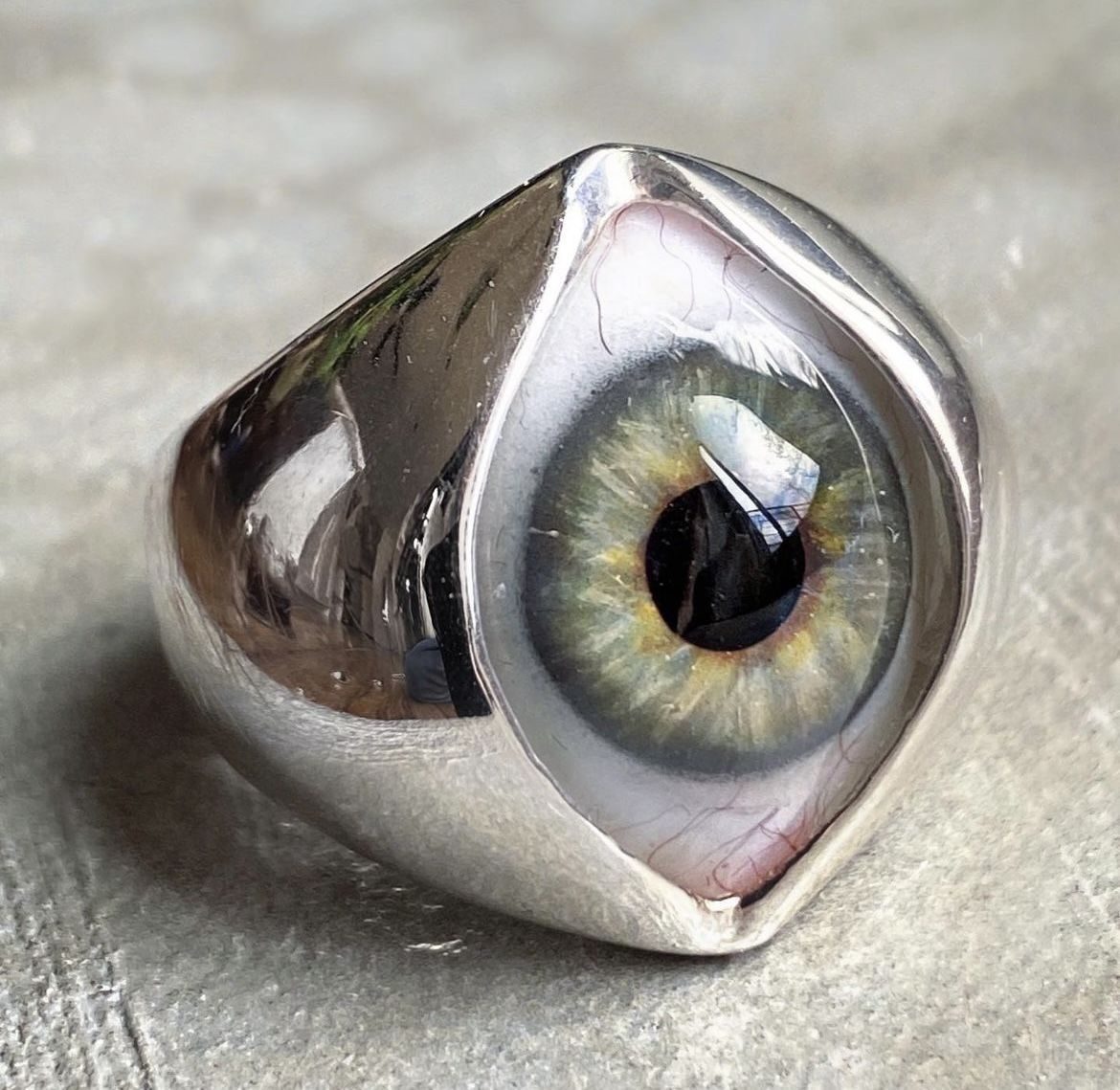
A traditional charm is a small object, such as a pouch, a bead, a shell, a carved piece or a ring, that is worn or kept as a personal symbol of protection, luck, love or blessing. Its meaning comes from the tradition behind it and from the person who keeps it. A charm is a symbol, and it cannot promise any outcome.
This article looks at the symbolism of charms in general terms. For practical checks before you buy, see how to check ring materials, sizing, shipping and returns.
Charms across cultures
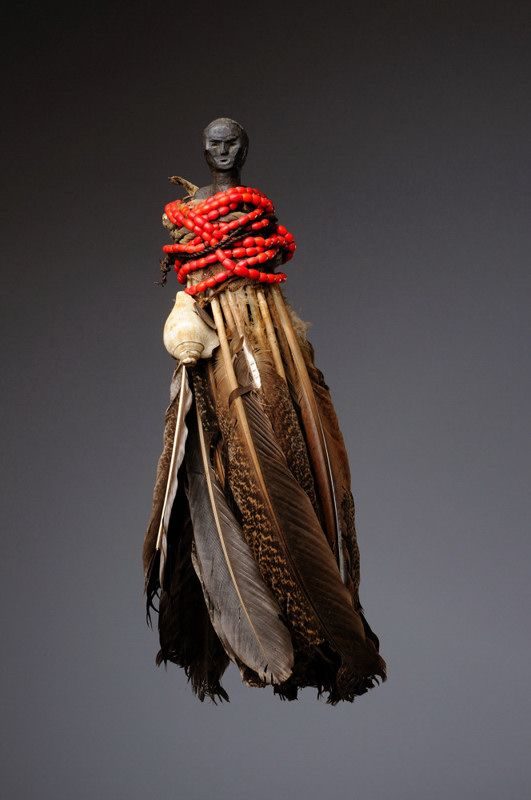
People in almost every part of the world have carried small objects for luck or protection: medals, amulets, knotted cords, carved stones and beads. In many African traditions, charms are part of daily life and of important moments, such as a birth, a marriage or a long trip.
Because traditions differ so much, the same kind of object can carry very different meanings from one community to another. A charm's meaning is best understood within the tradition it comes from.
Charms are often given as gifts, for example to a child, a new couple or someone leaving home. The giver's good wishes then become part of what the charm means.
Common materials and what they often stand for
Meanings vary, but some materials carry similar ideas in many places:
- Beads: colours and patterns often carry meaning, such as a stage of life or a blessing. What each colour means differs between communities.
- Shells: cowrie shells, once used as money in parts of Africa and Asia, are often linked with wealth and plenty.
- Herbs and roots: sewn into small pouches, linking the charm to the plant knowledge of a tradition.
- Metal: rings and pendants last a long time, so they are often used for charms meant to be kept for years.
- Knots and cords: tying a knot can stand for binding a promise or holding something safe.
How charms are prepared
In many traditions, a charm is blessed or prepared through a ritual before it is given to the person who will keep it. The blessing is what gives the object its meaning. Tell Shakir who the charm is for and what you would like it to stand for, so it can be prepared with that intention.
With Shakir, you are given the actual item before you order: its materials, its size and a photo. The delivery cost and timing are agreed before you pay, and customs charges may apply if it is sent to another country.
See protective charms, blessings and personal charms and lucky rings for the items on offer.
Wearing and keeping a charm
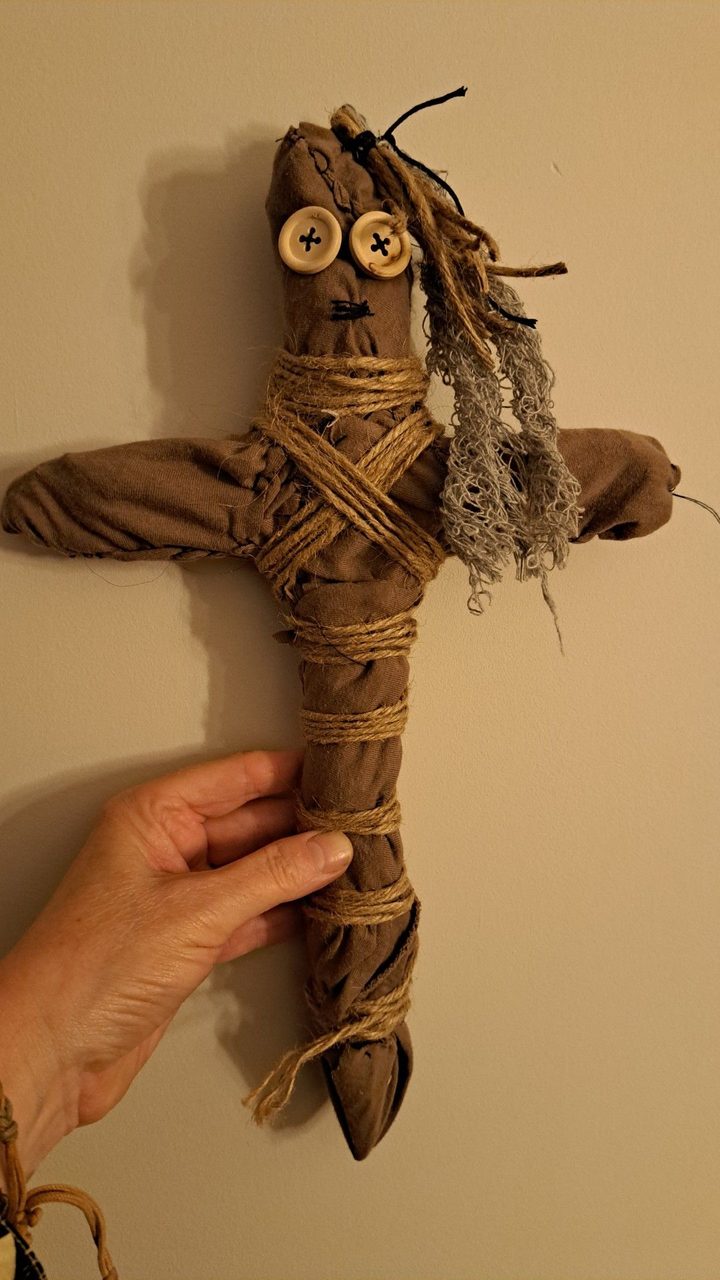
Customs differ. Some charms are worn against the skin, some are kept in a pocket or bag, and some are placed in a home, a car or a place of work. Some people keep a charm private, while others are happy to wear it openly.
Ask how your charm is meant to be kept and how to care for it. Natural materials such as herbs, cloth or leather can be damaged by water or damp. If you have sensitive skin, ask what any part that touches your skin is made of.
If a charm breaks or is lost, do not let anyone frighten you about it. Ask calmly what your tradition says, and whether a new blessing or a new charm is needed at all.
Charms, travel and the law
Some countries restrict items made from certain plants, shells or animal products, and customs may stop items linked to spiritual practices. Some countries, including Saudi Arabia and the United Arab Emirates, treat sorcery or witchcraft as a crime.
Check your local rules before you order a charm, or before you travel with one. If it is sent to you from abroad, import charges may also apply.
What a charm can and cannot do
A charm can be a meaningful reminder of a blessing, a person or a hope. It cannot promise luck, money, love or safety, and it is never a reason to take fewer precautions in daily life.
Be wary of anyone who sells a charm as a cure for illness, or says you must buy one to escape harm.