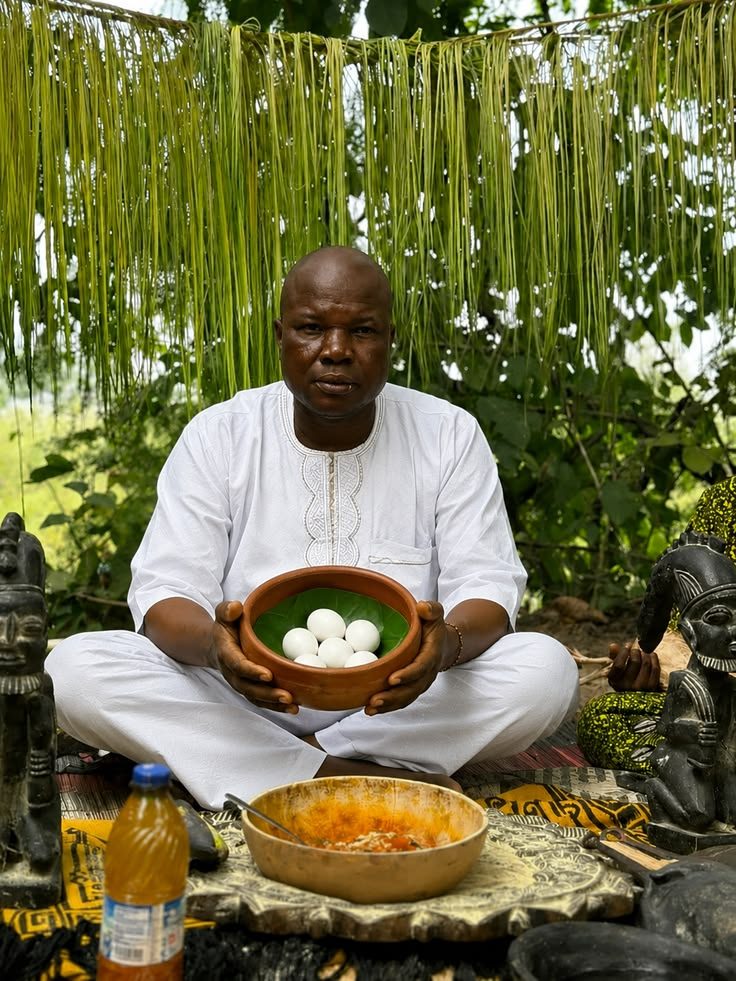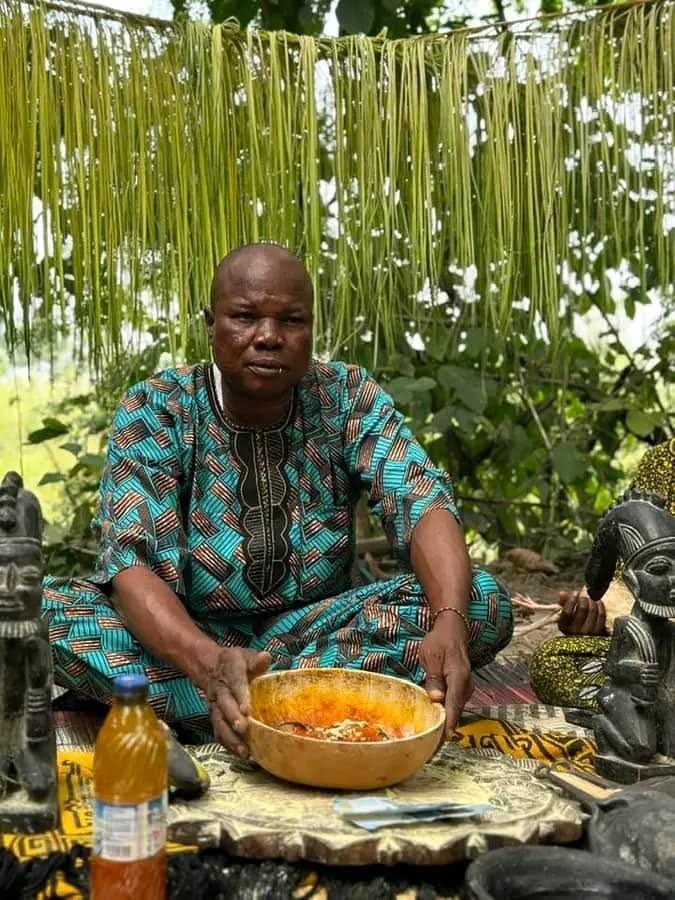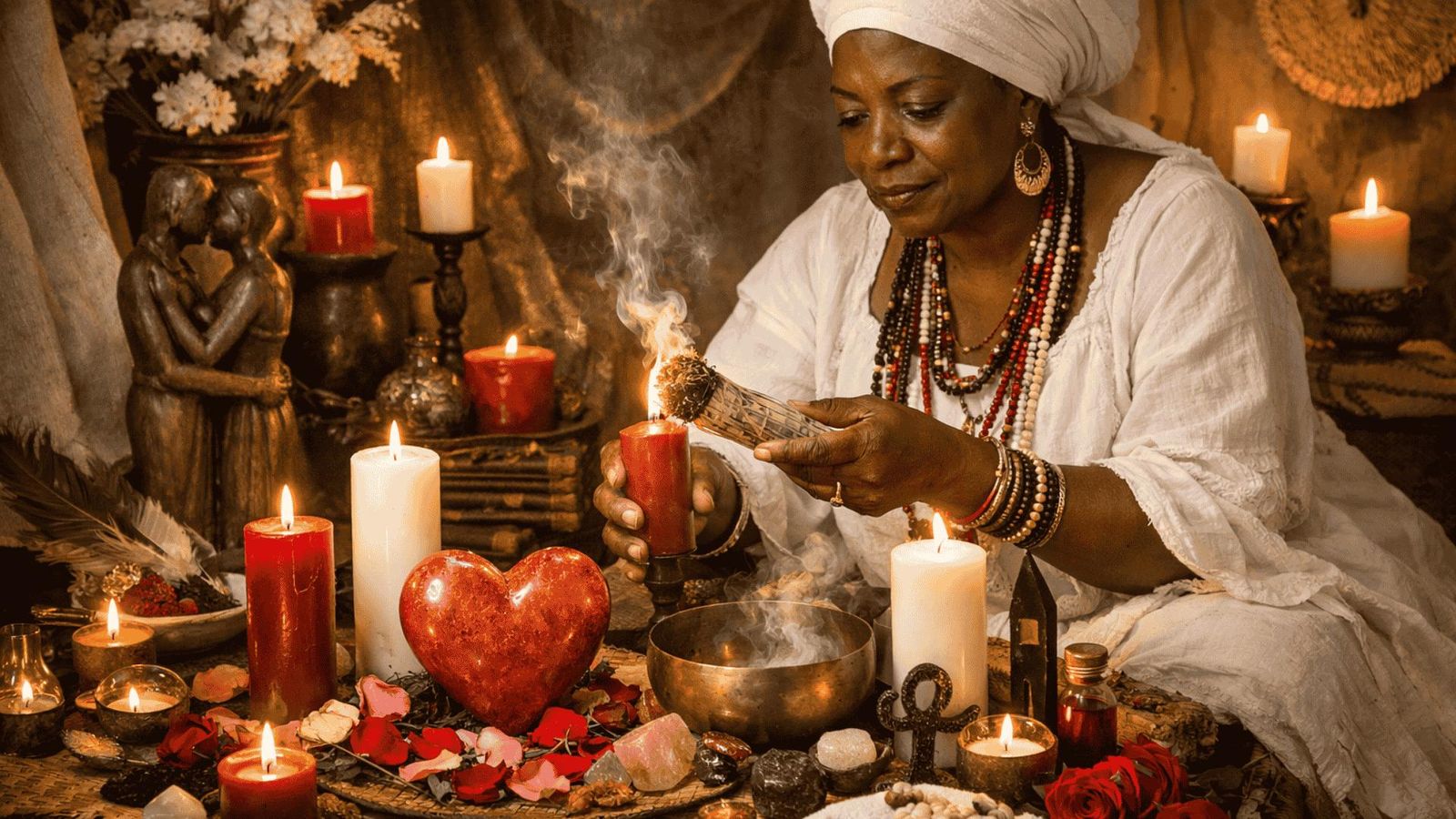
A blessing for a new beginning is a traditional way of marking an important change, such as moving into a new home, getting married, welcoming a baby, starting a business, or starting again after a hard time. It gives the moment care and attention, and asks for peace and good fortune in what comes next.
Many cultures have customs for blessing new beginnings. This article looks at why people do it, the forms it takes, and what to think about if you would like a blessing yourself.
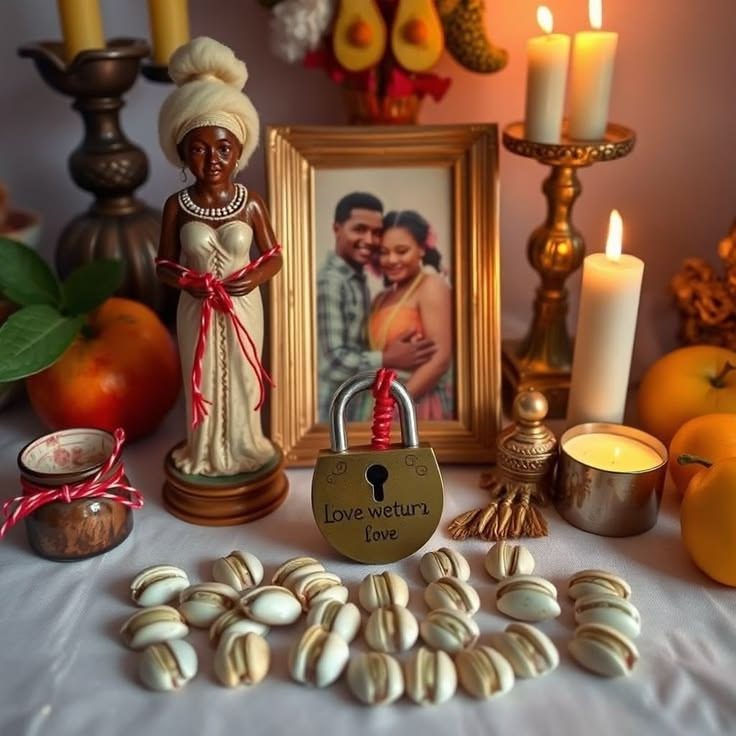
Why beginnings matter in tradition
Many traditions treat the start of something as a moment that shapes what follows. Marking it with a ritual is a way to set your intentions, honour the people who helped you get there, and ask for blessing on the road ahead.
In many African communities, important beginnings are shared events. Family, elders and neighbours may gather, and ancestors may be remembered. The details vary from one community to the next, and families often keep their own customs.
A beginning is also a natural time to let go of what came before. Some people like to mark the end of one stage, such as a tenancy, a job or a relationship, before they bless the next.
Moments people often mark
Common moments for a blessing include:
- A new home: blessing a house or flat when you move in.
- A marriage or a new relationship: asking for harmony and blessing on a union. See marriage and union rituals.
- A birth: welcoming a child and asking for blessing, alongside proper medical care for mother and baby.
- A new business or job: asking for blessing on the work. See business success rituals.
- A fresh start: after a loss, a breakup, an illness or a difficult year.
- Moving abroad: asking for safety and success far from home.
What a blessing can involve
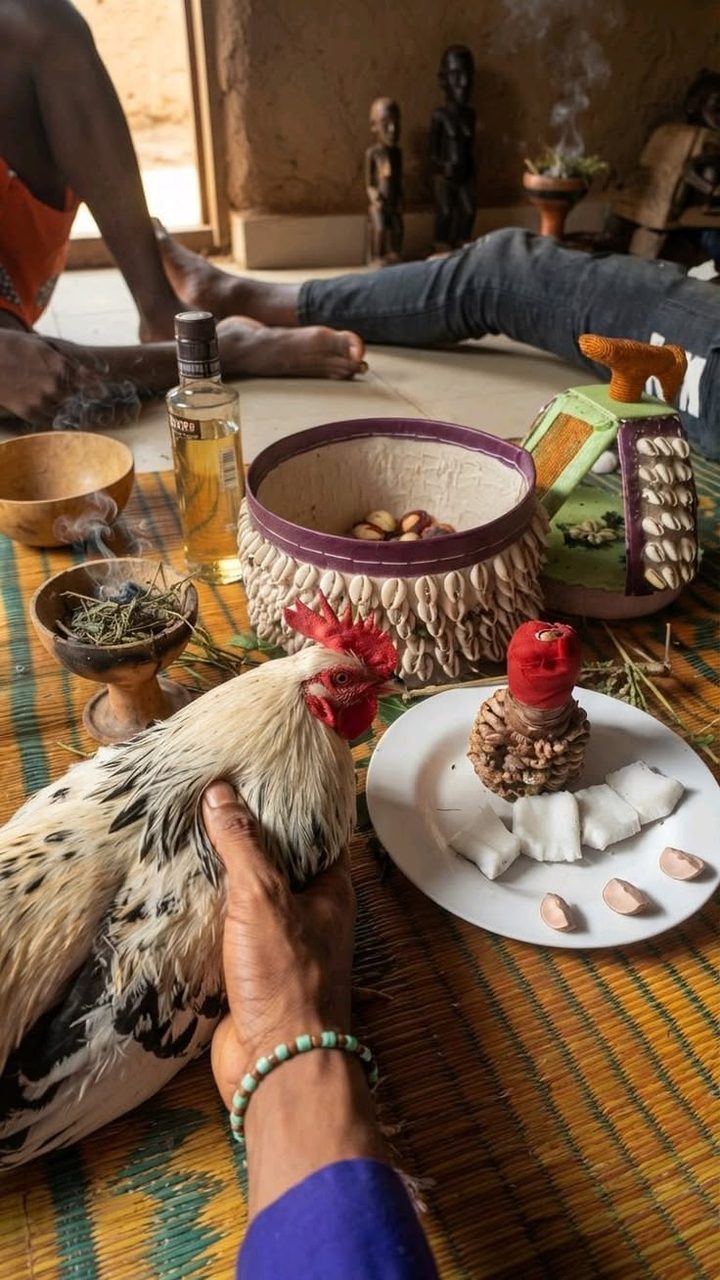
A blessing might include spoken words or prayers, cleansing with water or smoke, herbs, and sometimes a charm to keep as a reminder. In some traditions, a cleansing comes first, to close one chapter before the next begins.
With Shakir, the materials and any precautions are explained before the service begins, and the timing is agreed at the start. A blessing can be done remotely, from anywhere, or in person, and Shakir can travel to you in some cases. If you get in touch early enough, it can be timed for the day that matters, such as a moving day or an opening day.
See blessing and renewal rituals and blessings and personal charms for what each involves.
Blessings and your own faith
Many people who ask for a traditional blessing also follow another faith, or none. Shakir works with everyone, whatever their beliefs.
Tell Shakir about anything that matters to you, such as words you would like included, or things you would rather avoid, so it can be talked through before you agree. A blessing should feel right to you, and you are free to ask questions or say no at any point before it starts.
Some people like to involve family members in a blessing, while others prefer to keep it private. Both are fine. Just say what you would like.
Practical points before you ask
A few things are worth knowing:
- If the blessing is for a set date, such as a wedding or a moving day, get in touch a little ahead of time.
- Say if you would like the blessing done remotely or in person, and where you are.
- The price is agreed after a short consultation and covers everything agreed. Nothing is added without your agreement.
- If you would like a charm to keep, you are given the actual item, its materials, its size and a photo before you order.
- Shakir is available at any time, day or night, on 0714794142 (+254714794142 from abroad), by phone or WhatsApp.
What a blessing can and cannot do
A blessing marks a moment and expresses hope. It cannot promise that a marriage will last, that a business will grow, or that a new home will be free of trouble. The meaning a blessing holds is personal, and experiences differ from one person to the next.
What a blessing does give you is a moment of care and attention at a time of change. Some people value that for its own sake, and remember the day long after.