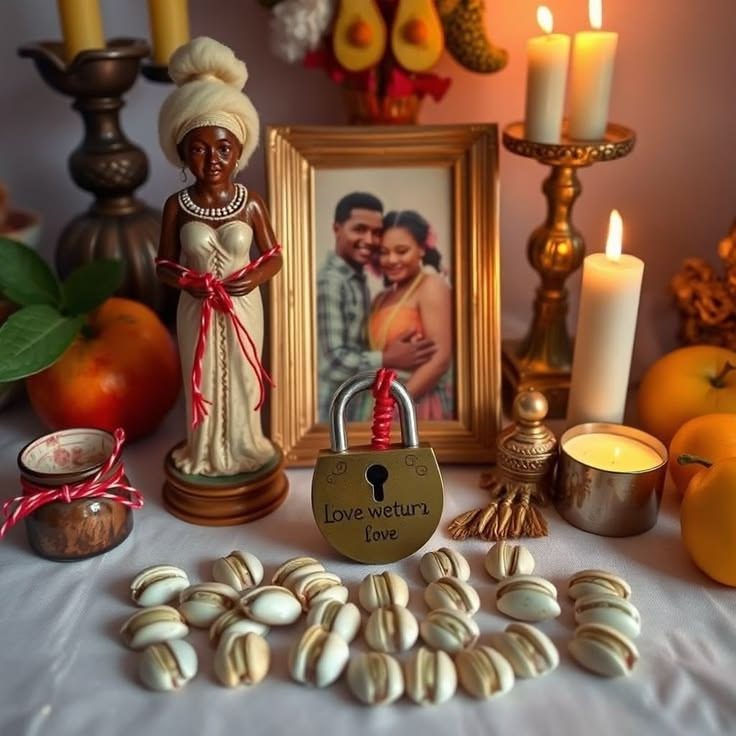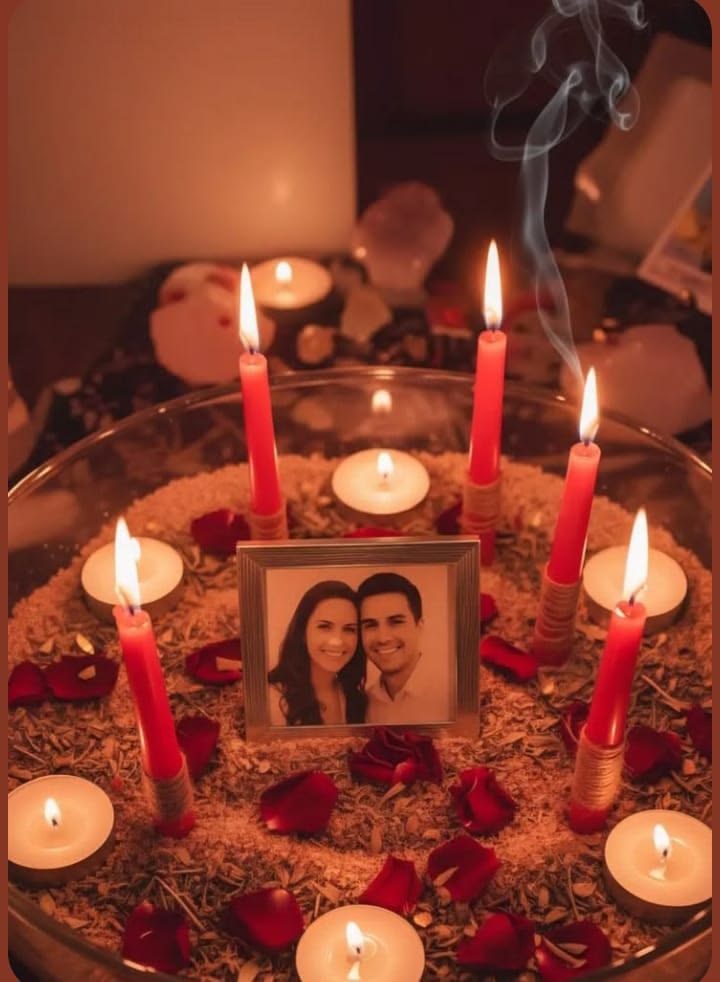
In many African communities, love and marriage are seen as matters for families as well as couples. Love rituals in these traditions are often about blessing a bond, asking for peace between partners, and honouring the people who came before. There is no single African tradition, though. Practices differ from region to region, community to community and family to family.
This article gives a general, respectful picture of the meaning behind these practices, and explains how Witch Doctor Shakir approaches love rituals today. It does not describe the customs of any one group in detail.
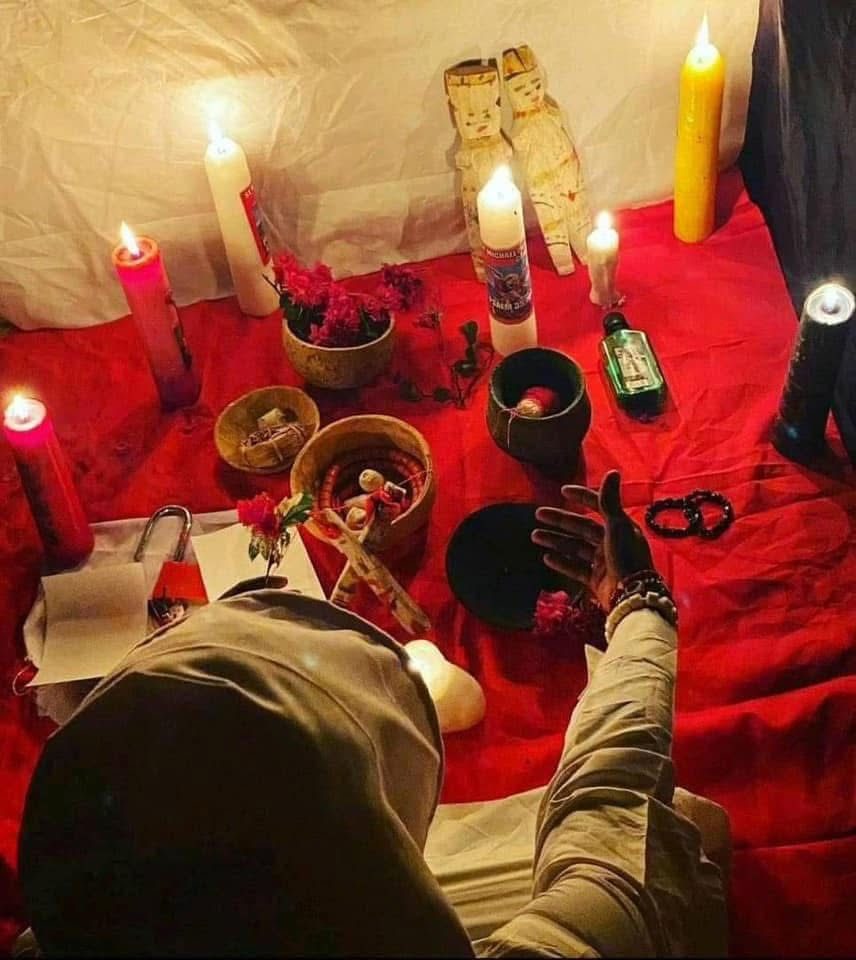
Many traditions, not one
Africa has a great many languages, peoples and cultures. Beliefs about love, marriage and the spiritual world vary just as widely. A ritual that is common in one community may be unknown a short distance away, and two families in the same town may do things differently.
So it is wise to be careful with anyone who talks about "the African love spell" as if there were only one. Shakir's practice is rooted in African tradition and based in Kenya. It is one practice among many, and it does not speak for every community on the continent.
If you come from a particular tradition yourself, tell Shakir about it when you get in touch. It helps to know what matters to you and your family before a ritual is planned.
Love as a family and community matter
In many communities, a marriage joins two families, not only two people. Parents, elders and wider relatives may have a part in introductions, discussions between the families, and the celebrations that follow.
Rituals connected with love often reflect this. They may ask for blessing on the couple and on both families, and for peace between them. That is one reason many traditional love rituals focus on harmony and blessing, and not only on one person's wishes.
If a quarrel involves the wider family, family harmony rituals may fit better than a love ritual.
The place of ancestors
Many African belief systems give an important place to ancestors, who may be remembered, honoured and asked for guidance or blessing. In some traditions, a family will involve the ancestors at important moments, such as a marriage, the birth of a child, or the end of a long quarrel.
Practices differ a great deal, and many people who hold these beliefs also follow Christianity, Islam or another faith. People often combine traditions in their own way. You can read more about ancestral and traditional rituals on their own page.
Symbols and materials
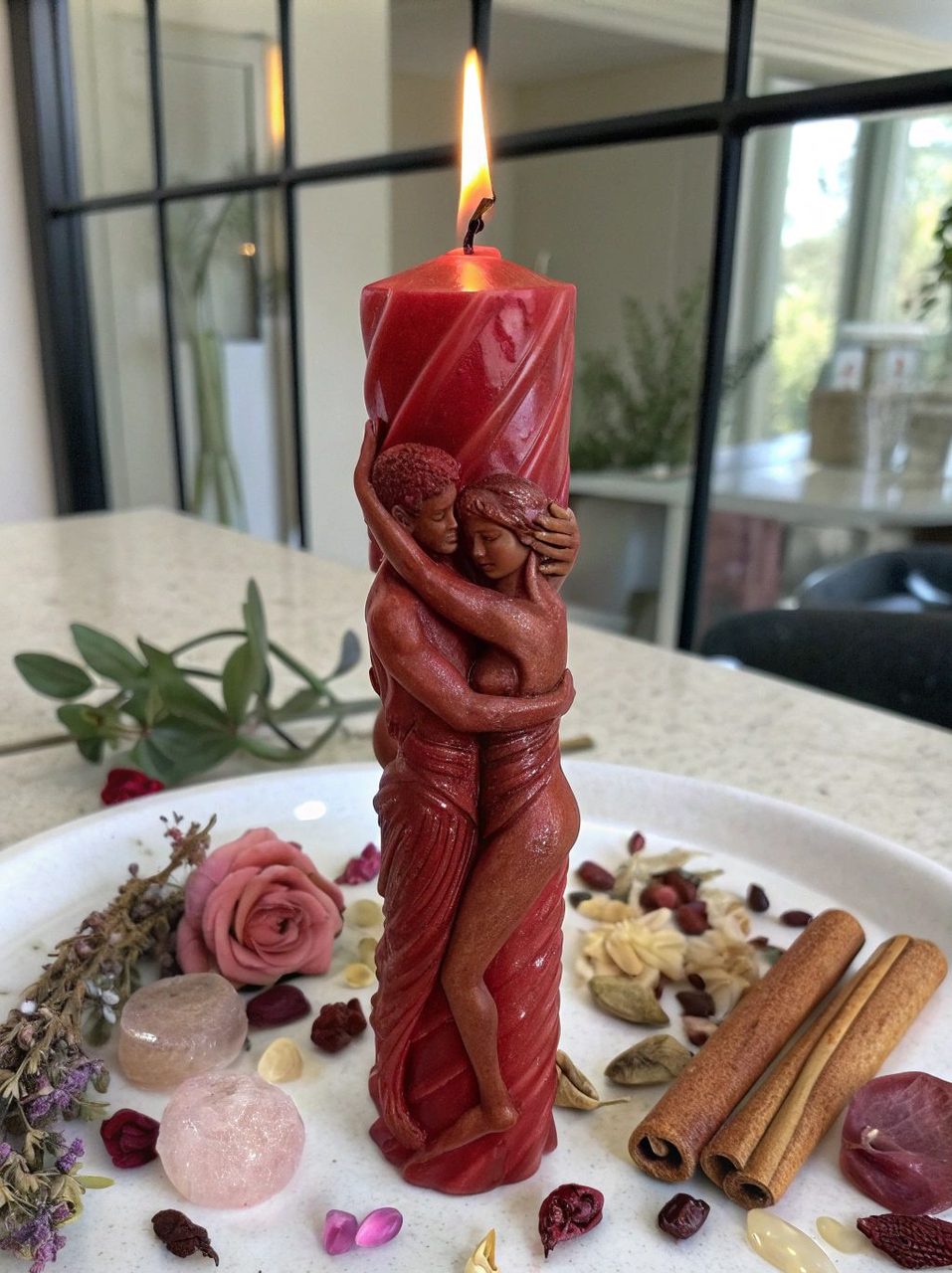
Love rituals in many traditions use natural materials and symbols: herbs, roots, water, smoke, beads, cloth, and spoken words or songs. Each has its own meaning within a tradition, and the same object can mean different things in different places.
When Shakir carries out a love ritual, the materials and any precautions are explained to you before the service begins, so you know what will be used and why. If anything worries you, such as an allergy to a plant or to smoke, say so before you agree.
What a love ritual means today
People from many countries and backgrounds now ask for African love rituals, and Shakir works with everyone, whatever their beliefs. For some, the ritual connects them with their own heritage. For others, it is a way to mark a hope or a new start with care and attention.
A ritual can be done remotely, from anywhere, or in person, depending on what suits you. The price is agreed after a short consultation and covers everything agreed. Read about love spells, attraction spells and marriage and union rituals to see what each one involves.
Respect, consent and honest limits
A love ritual is about your own hopes and a blessing on what you want. It cannot override another person's free choice, and no honest practitioner will claim that it can.
We explain this in more detail in why no ritual can guarantee another person's feelings or decisions. If a relationship involves fear, threats or violence, please contact local support services or the police first. A ritual does not replace that help.